
Restoring the River of Grass: Florida Engineering at Work
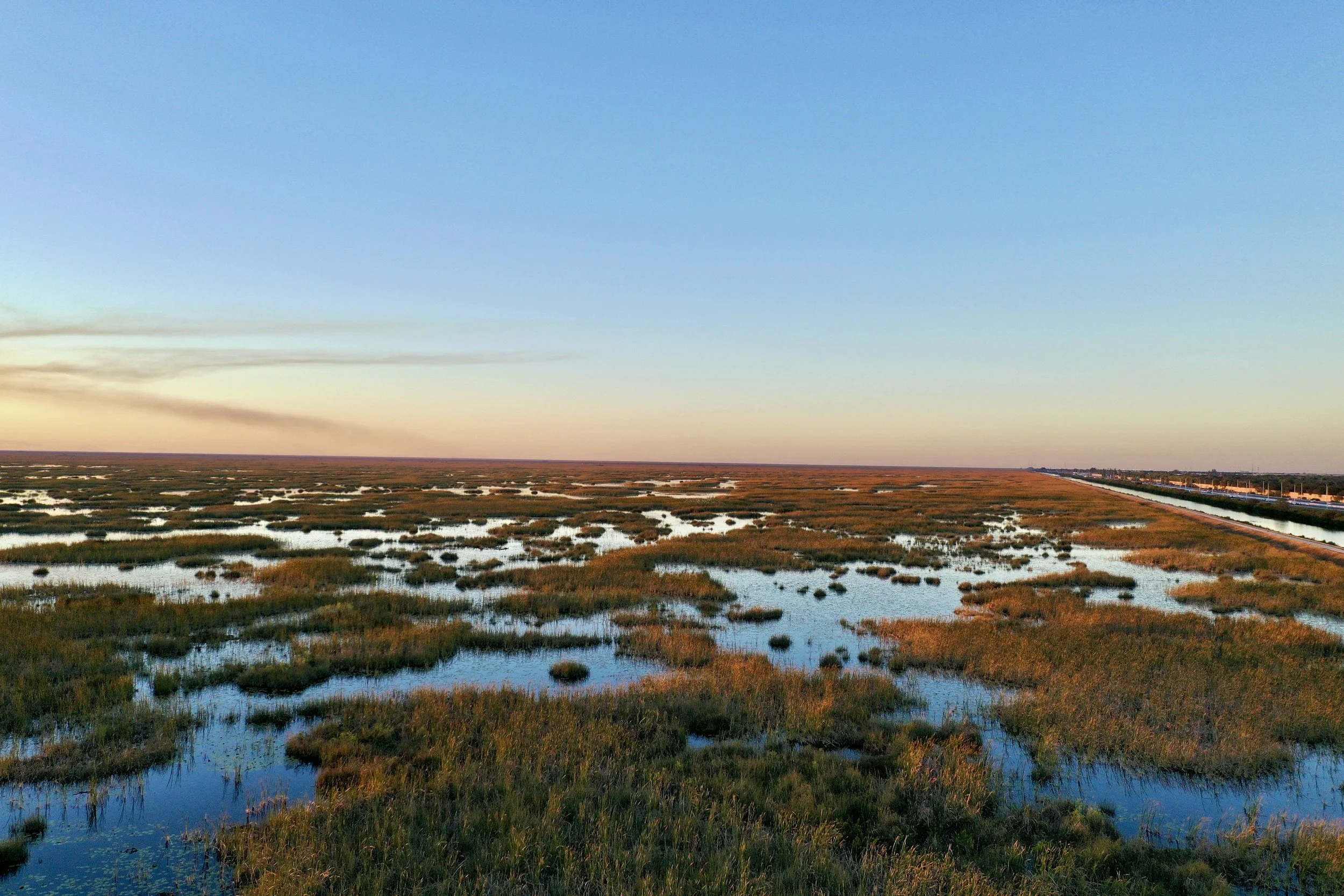
A quarter century ago, Florida launched a bold initiative to save America’s Everglades, a national treasure that is inextricably linked to the state’s environmental health, quality of life and economic prosperity.
Restoring a more natural flow of water to the famed River of Grass is an engineering marvel that is reviving the native habitat of dozens of threatened and endangered native species, while at the same time, recharging the underground aquifer that supplies drinking water to millions of people across South Florida.
The blueprint for what is the largest hydrologic project in the nation’s history – the Comprehensive Everglades Restoration Plan (CERP) – was authorized in 2000 by federal legislation, Restoring the Everglades, an American Legacy Act. Championed by Governor Jeb Bush and signed into law by President Bill Clinton, this bipartisan legislation established a 50-50 state-federal partnership to implement the 35-year, $10.5 billion plan with more than 60 water infrastructure projects.
Accelerating Restoration
In July, the State of Florida took the lead on several components of the CERP, including completion of the Everglades Agricultural Area (EAA) Reservoir. Under their new timetable, this critical water storage project will be completed in 2029, five years ahead of schedule.
“A long-awaited project, first envisioned and authorized decades ago, is finally becoming a reality. The EAA Reservoir is not only fully funded and under construction — it's moving forward faster than expected, thanks to new state and federal cooperation,” said Governor Ron DeSantis in July. “The completed EAA Reservoir will deliver major benefits for Florida's coastal communities, fishermen, tourism industry, and our unique natural environment that we're conserving for generations to come.”
In addition to its accelerated timeline, the change will allow the state to construct inflow and outflow pump stations and other supporting features, while the U.S. Army Corps of Engineers (Corps) will focus on the main reservoir basin. Florida will also take control of projects concerning the Blue Shanty Flow Way, a vital system to deliver clean water south along the Tamiami Trail and into Florida Bay.
Restoring Natural Waterflows
To date, more than 80 Everglades restoration projects have been completed, broken ground or reached a major milestone since 2019.
That includes the Picayune Strand Restoration Project, a joint effort between the Corps, South Florida Water Management District (SFWMD), Florida Department of Environmental Protection (FDEP) and other stakeholders. This multi-year project spanned 55,000 acres between Alligator Alley and Tamiami Trail in Southwest Florida. The project removed 260 miles of road and plugged 48 miles of canals to restore critical wetlands, enhance habitats for fish and wildlife including the Florida Panther, prevent saltwater intrusions, and improve aquifer recharge to protect underground water supplies.
“This project is already improving water quality and wildlife habitat and helping ensure America’s Everglades are stronger for generations to come,” Alexis A. Lambert, secretary of the FDEP, said during a celebration of the project’s completion in January.
Today’s success reflects a sustained commitment by state and national leaders over 25 years to implement the myriad of challenging and complex infrastructure projects that comprise the CERP.
The Florida legislature headed early efforts, including passing the Save Our Everglades Trust Fund in 2001, which established funding to build the projects defined in the CERP, as well as funding Florida Forever a year later, which was established by voters in the state constitution and remains the premier land acquisition program for conservation in the Sunshine State.
Florida’s Acceler8 program, which began in 2004, expedited construction of eight groups of restoration projects including 11 CERP projects. Acceler8 also included $1.8 billion in bond financing to complete the infrastructure projects ahead of schedule.
In 2012, the Corps and SFWMD completed construction of the C-111 Spreader Canal, extending flood protection while boosting conservation and distribution of water for the southernmost canal of the Central and South Florida Flood Control Project. The project improved conditions at Everglades National Park by establishing more natural water flows in Taylor Slough, which also improved water quality in Florida Bay.
Nine years later, the Corps and SFWMD officially opened the C-44 Reservoir and Stormwater Treatment Area (STA) project, representing the largest CERP effort at that time. The C-44 Reservoir and STA improved salinity levels in the St. Lucie River Estuary and the southern portion of the Indian River Lagoon, introducing 60,500 acre-feet of new water storage and 6,300 acres of new wetlands with an ultimate goal of preventing harmful flows of water to the estuary.
Similarly, the Caloosahatchee River (C-43) West Basin Storage Reservoir manages and stores agricultural runoff to protect waters across the region. Completed as part of CERP in 2025, the reservoir, which holds approximately 170,000 acre-feet of water, maintains more consistent levels of salinity, which protects seagrasses and vulnerable wildlife.
Celebrating a Quarter-Century of Progress
Floridians are experiencing, first-hand, the benefits of dozens of water infrastructure projects built over the last 25 years, from improved flood control to lush landscapes and vibrant wildlife to a more reliable, sustainable supply of drinking water that protects public health and fuels a growing economy.
“With every project, from reservoirs to flow ways, we are delivering real results on time, under budget and with strong returns for Florida’s taxpayers,” Lambert said at a September groundbreaking of the Blue Shanty Flow Way project, the first event since the new agreement between the state and USACE. “Alongside our federal partners, state leadership and communities, we will continue driving restoration projects forward.”