Tyndall AFB Dormitories Project Sets New Standard for Military Housing
Photos by Matt Good (Matt Shoots for Good).
A number of Florida’s military facilities are nestled around the Panhandle, and among them is Tyndall Air Force Base, an installation which now boasts some of the nation’s newest and award-winning dormitories.
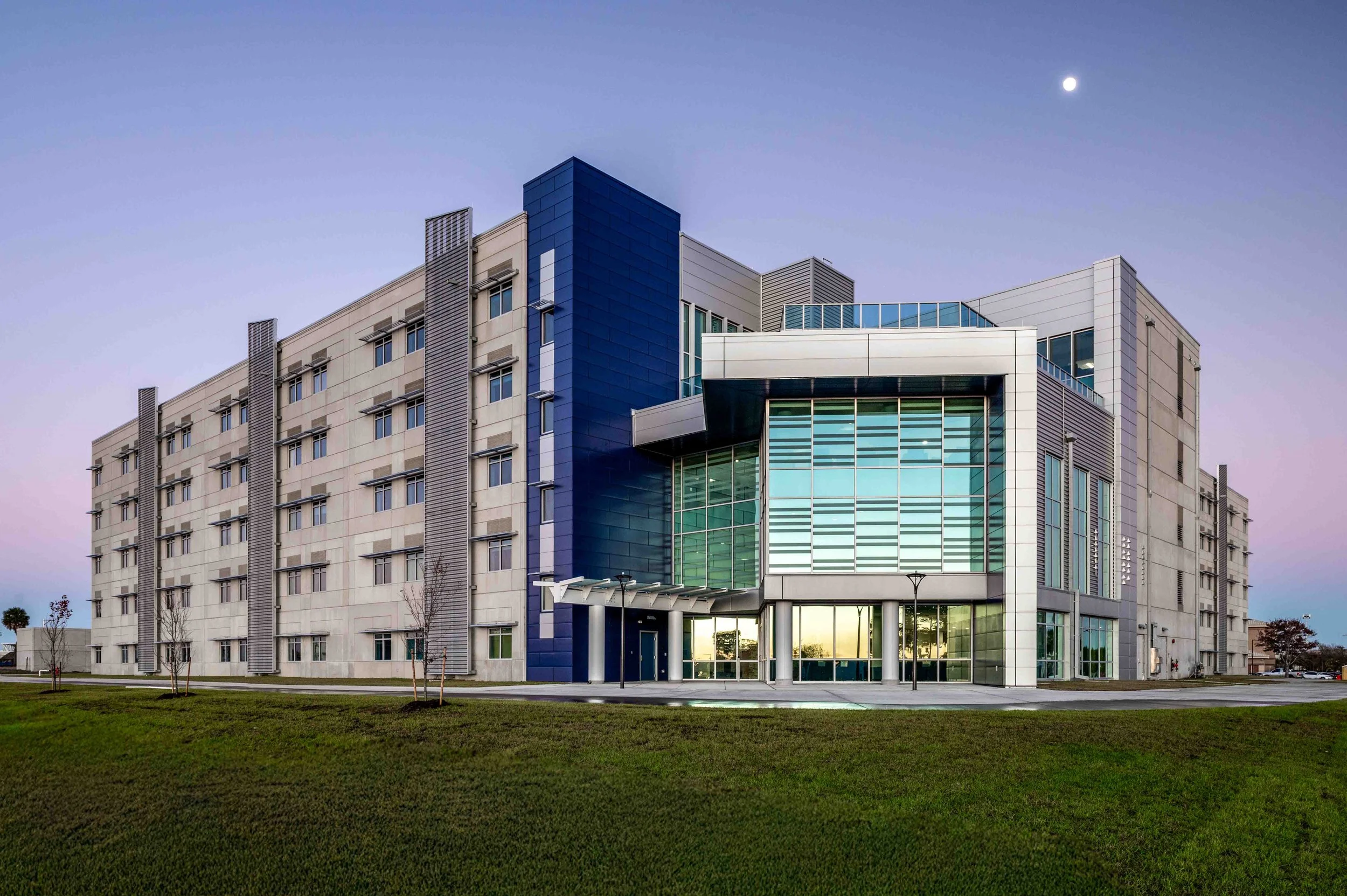
Hensel Phelps was awarded a $136 million contract by the U.S. Army Corps of Engineers (USACE) to complete the Tyndall Air Force Base Dormitories Complex project. PAGE – now Stantec – served as the architect of the project, which was completed in April 2025 and earned an Award of Merit from the Engineering News-Record’s 2025 Best Projects list.
In a first for the USACE Southeast Region, the project team utilized a design-build method, which has moved the needle towards more of these bids in the future.
“It was a newer approach down here, because they're accustomed to the regular design-bid-build projects,” said Chad Neukirch, project manager of Tyndall AFB Zone 1 F-35 Flightline Facilities at Hensel Phelps. “After the experience that the Corps of Engineers had with us at the Tyndall Dormitories and our teams, they now agree 100% that they want to try to do as many design-build delivery methods as possible going forward.”
A New Method
The need for new dormitories stemmed from Category 5 Hurricane Michael, an unusually strong storm that brought 160 m.p.h. winds to the Panhandle and made a direct hit on the base in October 2018. Most of the buildings and structures on base received damage or were destroyed, leading to a $5 billion rebuilding effort of more than 40 specific projects that represented the largest military construction contract in U.S. Air Force history.
The project team worked with trade partners to break the design into two phases in order to optimize efficiency in respect to scheduling. The first design package focused on the early stages of the project, including foundations, while the second phase was centered on the core, shell and interior of each dormitory. The split allowed the construction team to begin clearing and grubbing for sitework while more refined details were finalized for the core, shell and interior.
During the design phase, the project team held meetings on Bluebeam Studio, a collaborative, cloud-based platform for architecture, engineering and construction (AEC) firms. It also held design charrettes for integral factors including structural steel and precast erection as well as skin charrettes for smaller details like metal, wall panels, windows and caulking.
“We made sure that what was in the final set of documents, it was constructible, but also in a design-build scenario that the trade partners were bought in,” Neukirch said. “We bought a scope and that's the scope they helped design in detail, so that facilitated a lot of participation from the trade partners and getting their feedback for what worked best for them.”
The project team had to work to build relationships from the ground up, as USACE engineers from across the country and world worked with Hensel Phelps employees for the first time. It had to incorporate design review comments from 30 reviewers and subject matter experts and track them to closure.
On the ground, the project team had to deal with the logistics of other general contractors on different zones as dozens of other projects were being completed. The team also had to overcome a telecommunications infrastructure contract that was supposed to be signed at the beginning of the process but ended up being one of the latest, leading to Hensel Phelps pulling temporary fiber and other solutions to keep the project on track.
“Every project has its own opportunities – people call them problems, we call them opportunities – and it's how the team responds to these opportunities that really shows the true partnership of the team,” said Neukirch. “The Dorms project team was probably one of the best teams I've been involved with on a design-build project where people were newly exposed to the design-build process, but because of how we conducted business and design, there was a high level of trust which led to a high level of functionality.”
The Base of The Future
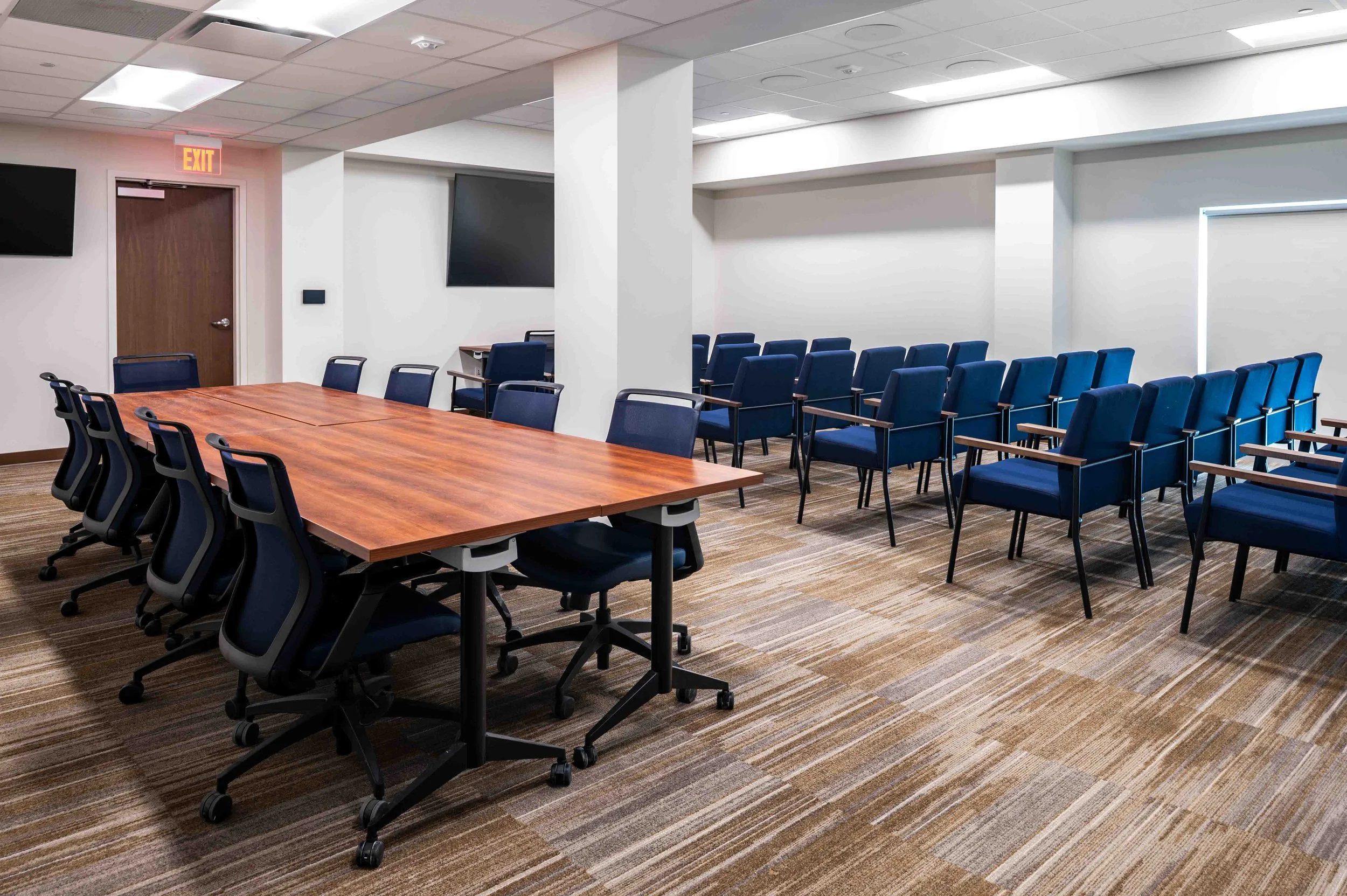
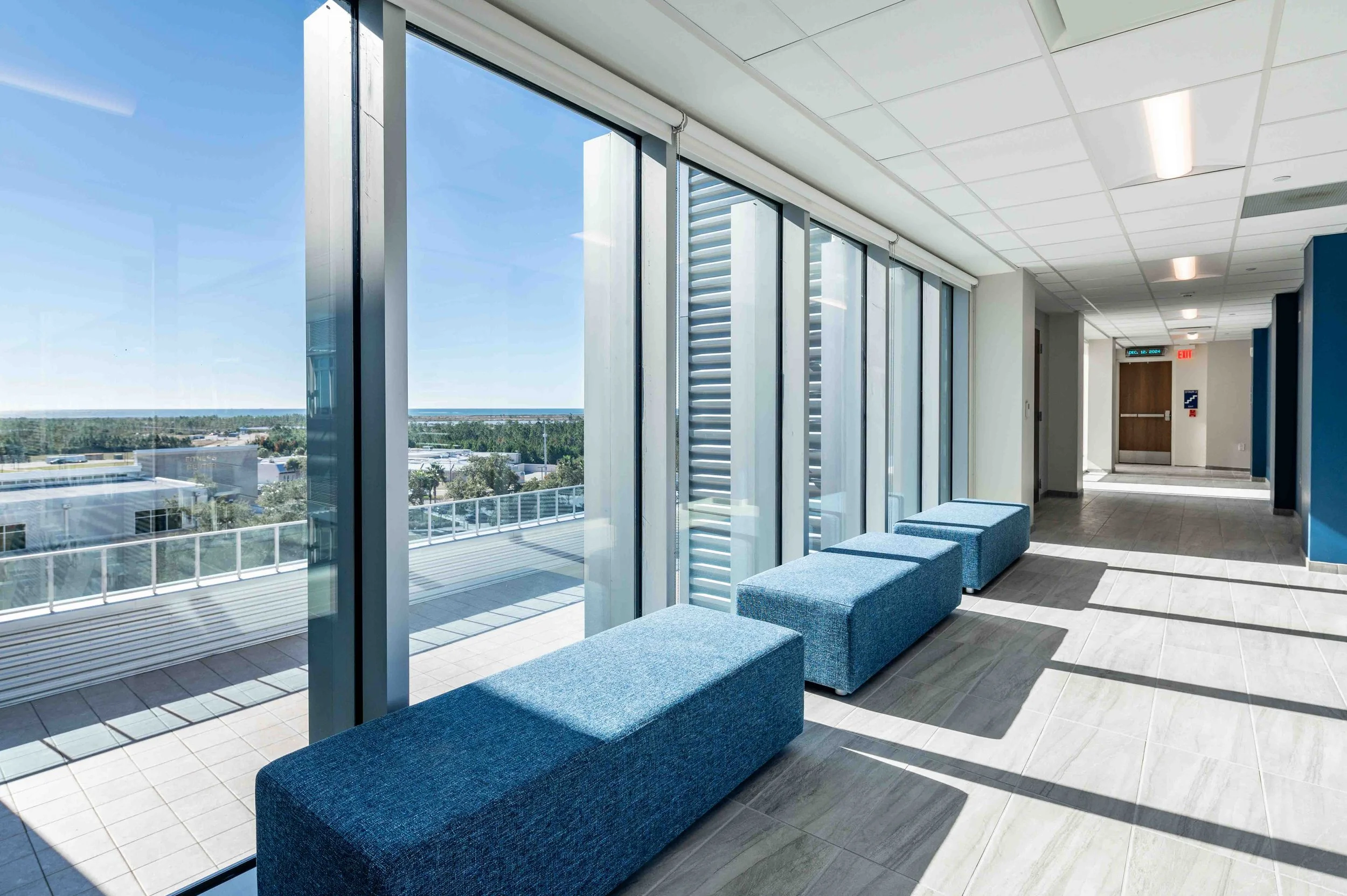
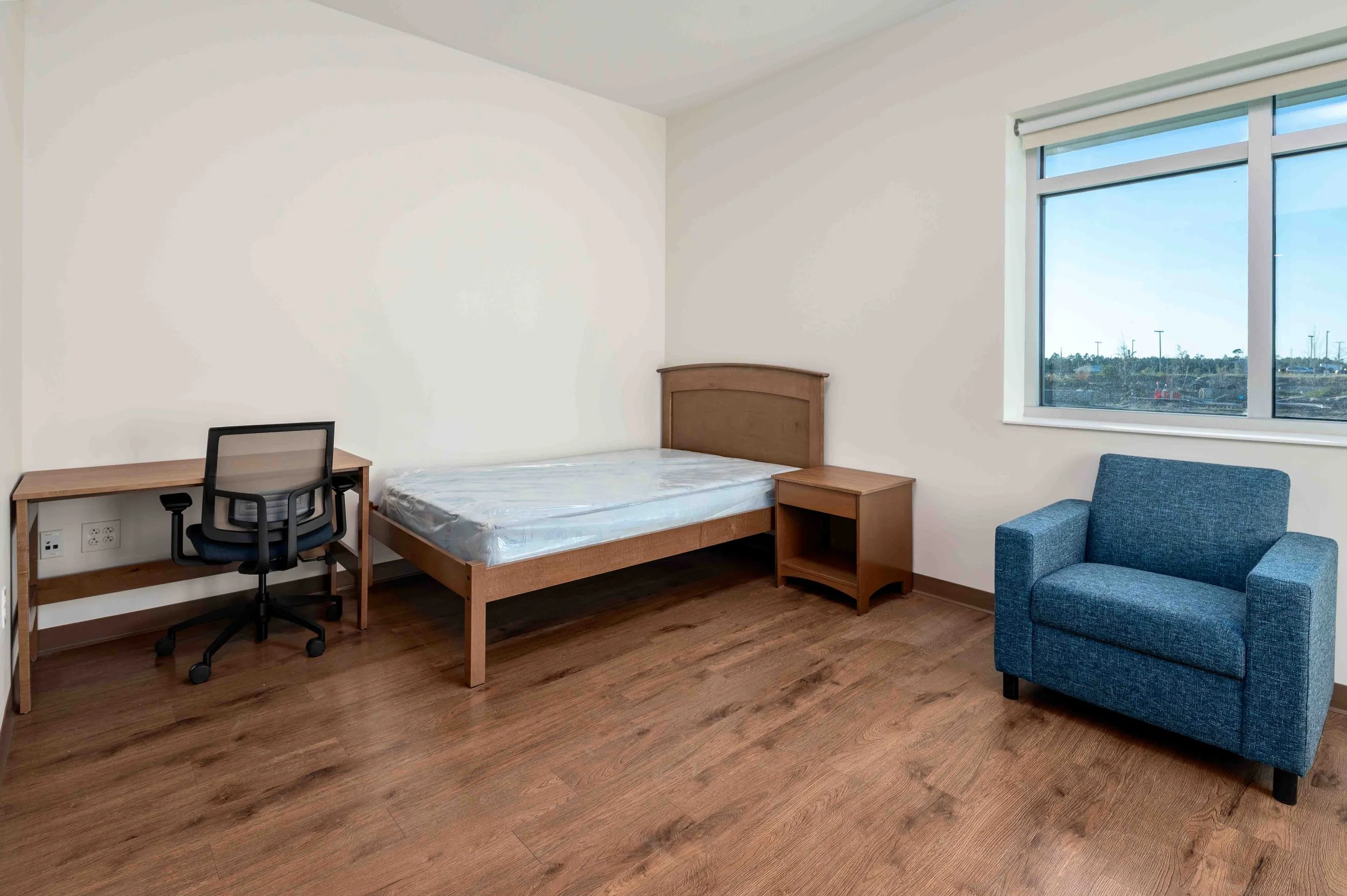
The design-build project consisted of the construction of two five-story buildings, both of which contain 240 rooms. The buildings feature a number of shared amenity spaces, including community lounges, a rooftop patio and a dedicated theater-meeting room. In all, 480 first-term airmen will occupy the dormitories themselves, and these modern spaces will serve as the first homes for many of the airmen receiving their first duty station.
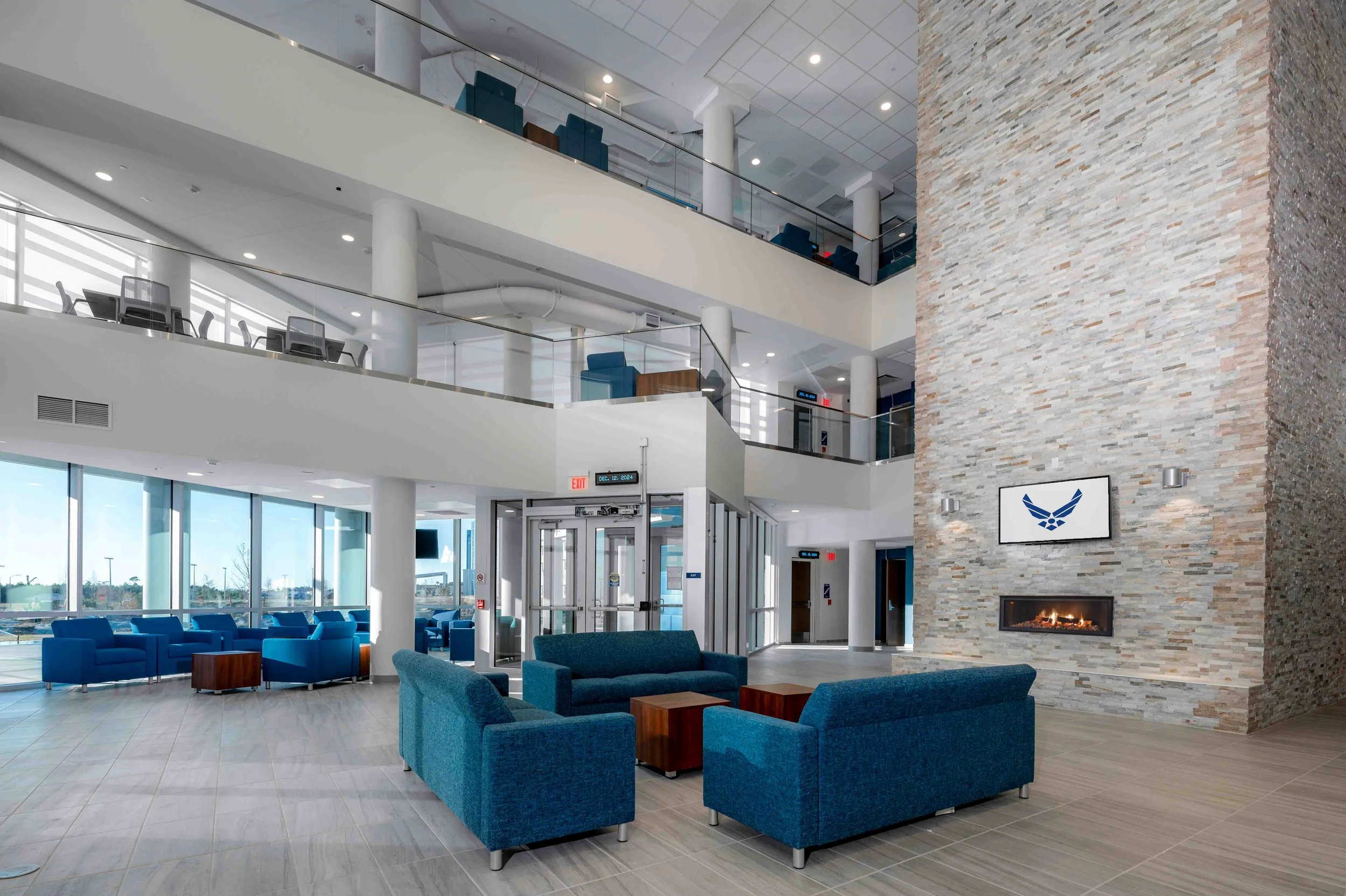
Additional features included community lounges, private offices for building management and a striking three-story atrium at each dormitory’s main entrance. Across the street from one another, each dormitory’s location is close in proximity to the chapel, post office, bowling alley and other important buildings on base, some of which are still under construction.
Energy efficiency and the use of recycled materials were guiding principles of the project, as the client wanted high returns on a life cycle cost analysis. Design elements also favored higher structural integrity and precast concrete in order to increase longevity and storm resistance, and the project meets both Miami-Dade County building codes and Department of Defense Anti-Terrorism Force Protection (ATFP) standards.
The project team implemented Facilities Related Control Systems (FRCS) in the dormitories, which better utilize building automation systems including power consumption monitoring, water consumption monitoring, leak detection, humidity detection and person counting to ensure units are operating efficiently. The FRCS also notifies maintenance personnel of potential issues earlier, ensuring repairs can be made at optimal times.
Additionally, the project team hosted monthly walks of the facility with fire marshalls and members of the maintenance team during the construction to detect possible issues and build familiarity with the systems and building when it was handed over to the client.
As airmen utilize the now-open spaces, Neukirch spoke to the spirit of collaboration that helped rebuild part of the military installation and ended with industry recognition.
“It reflects the valuable contributions of all the project stakeholders who actively participated throughout the design and construction phases,” said Neukirch. “For us, the Award of Merit serves as a distinguished acknowledgement of the successful handover of the Tyndall Dorms to the Air Force, and it also sets a benchmark for all the future projects on the base to reach toward, with respect to quality, budget and schedule.”