
Florida Invests in Resiliency
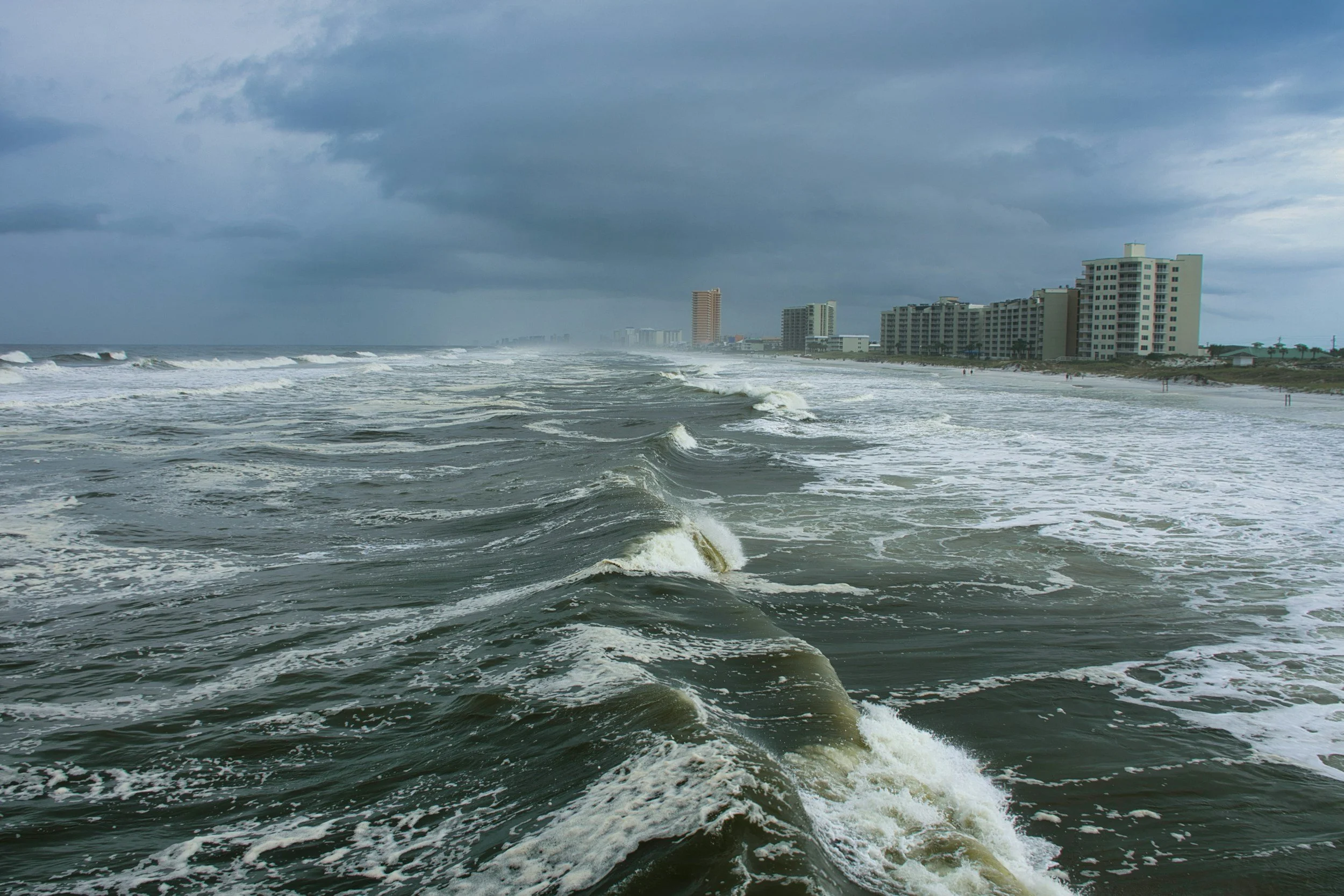
Photo by Craig Cameron, Upsplash
Resiliency is a key focus for Florida’s Division of Emergency Management (FDEM), which aims to reduce or eliminate the loss of life and property by lessening the impact of disasters. Due to Florida’s weather, geography, and miles of coastline, the state is highly vulnerable to disasters – particularly hurricanes and the storm surge, flooding and destructive wind that come with them.
Given the persistent threat of tropical storms and hurricanes, the Florida Legislature created the Hurricane Loss Mitigation Program (HLMP) in 1999 to provide a specialized, state-funded program aimed at minimizing damages from catastrophic storms. The program was launched in response to the devastation brought by Hurricane Andrew in 1992.
The program receives annual funding of $10 million from the Florida Hurricane Catastrophe Fund, a self-sustaining state trust fund that provides reinsurance to residential property insurance companies to protect against catastrophic financial losses from major weather events.
Investing in Infrastructure
The Florida Legislature allocates $3 million each year to retrofit public facilities for use as hurricane shelters and $7 million for projects focused on community resilience.
The program provides funding to local governments, state agencies, public and private educational institutions, and non-profit organizations to improve hurricane preparedness, reduce losses in the event of a hurricane, and provide research and education.
Through partnering with local housing authorities, non-profit organizations, and local governments, FDEM has been able to promote wind and flood mitigation and provide hazard mitigation retrofitting to residential and commercial properties.
The HLMP utilizes the Florida Building Code as its standard for all retrofitting projects. Funded activities include:
Residential/Non-Residential Wind Retrofitting
Property Acquisition and Demolition (Non-Residential only)
Localized Flood Risk Reduction (e.g., culverts, drainage improvements, retention ponds)
Utility Retrofits (e.g., lift/pump station retrofit or elevation, utility protection).
In the 2025-2026 Fiscal Year, HLMP funded $2.85 million for 13 wind mitigation projects for both residential and non-residential buildings across the state.
Investing in Research
Ten percent of HLMP funding is appropriated by the Legislature to Florida International University to be applied to research and outreach conducted by the International Hurricane Research Center (IHRC).
The IHRC is a multi-disciplinary research and education organization focused on reducing hurricane damage and loss of life through more effective mitigation. The IHRC’s research tries to answer fundamental questions to reduce threats from hurricanes. The Center’s current studies involve such areas as household mitigation and evacuation, storm hazard and vulnerability mapping, long-term community recovery, and economic loss modeling.
The IHRC and FIU utilize its Wall of Wind (WOW) Experimental Facility, a multi-disciplinary research facility focused on reducing hurricane damage and loss of life through more effective mitigation. The facility’s 12-fan flow management system can create winds of 157 mph to simulate hurricane-force wind conditions and test civil infrastructure.
On September 9, the State of Florida awarded an additional $15 million in funding to build a WOW 2.0 that can test the effects of storm surge and 200 mph winds upon buildings, homes, critical infrastructure and other systems affected by hurricanes.
"We need research facilities to improve our knowledge of how natural and built infrastructure responds to hurricane forces,” said Jack Puleo, dean of FIU’s College of Engineering and Computing and associate vice president for strategic initiatives in coastal engineering and resilience. “That knowledge leads to discovery, to innovation and, ultimately, to societal benefit.”
