
Congress Passes Stop-Gap Measure to Fund Government But Transportation Funding Remains in Limbo
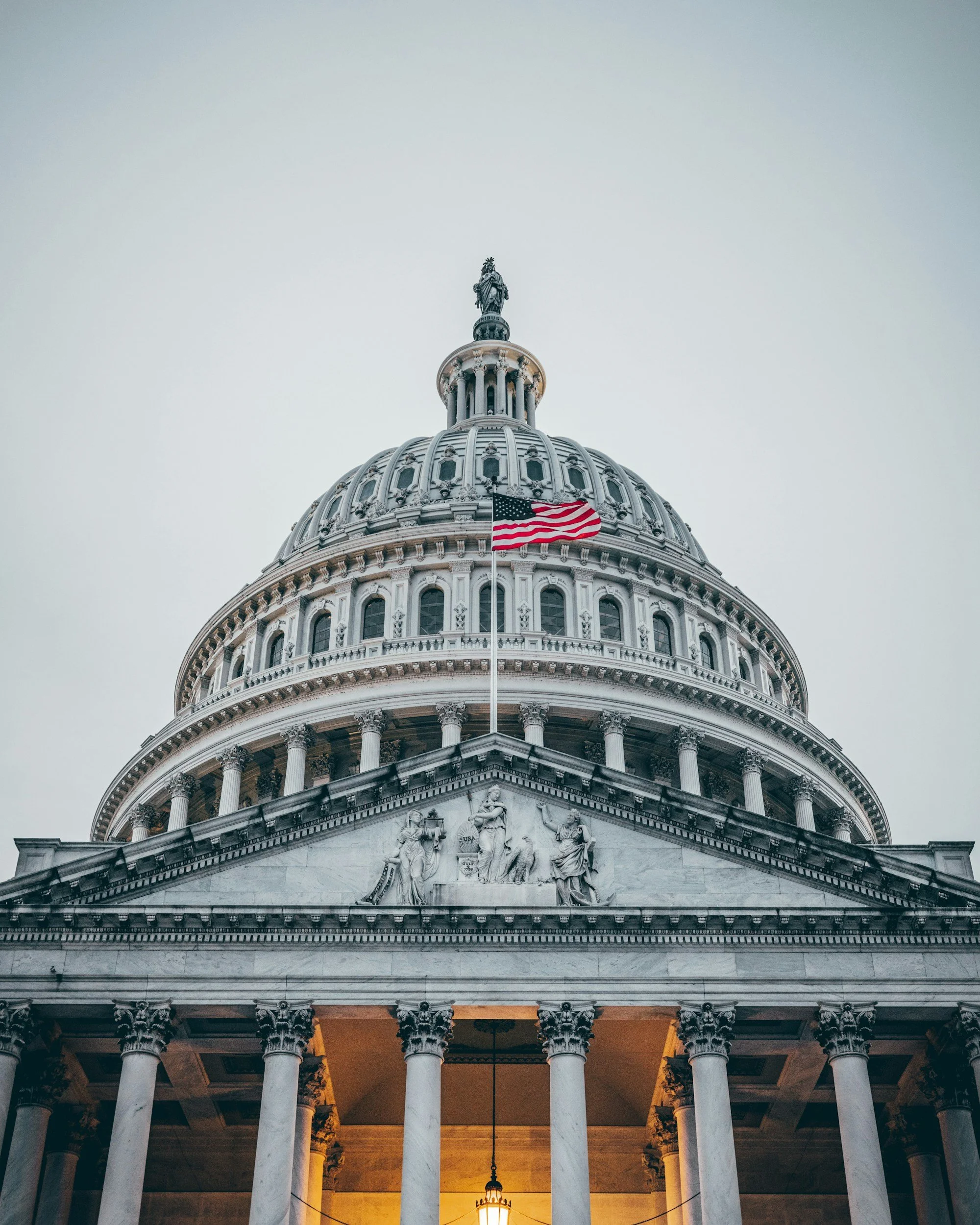
Photo by Andy Feliciotti, Unsplash
The U.S. House of Representatives passed a “Continuing Resolution” (CR) by a vote of 370-48 on September 1, to extend funding for the federal government through December 11. The U.S. Senate initiated and passed the legislation on August 8, with an overwhelming majority, 90-6. President Donald J. Trump signed the measure into law on September 2. The law funds the federal government through the mid-term elections, averting a potential government shut-down during campaign season.
The CR also includes an extension of expiring highway and transit programs to give Congress more time to advance a long-term surface transportation reauthorization bill. The CR temporarily maintains current level funding prorated on an annual basis for the Highway Trust Fund, according to analysis by the American Association of State Highway and Transportation Officials (AASHTO).
Advance Appropriation Funding to Expire
The CR does not extend the $36.8 billion in annual advance supplemental appropriations for transportation projects that were a key feature of the Infrastructure Investment and Jobs Act (IIJA). If advance appropriations are not continued in fiscal year 2027 starting October 1, the State of Florida stands to lose $376 million in formula funding provided by the landmark legislation, according to findings by the U.S. Senate Committee on Appropriations.
The American Council of Engineering Companies (ACEC), AASHTO and others have made their case to lawmakers for maintaining these funds. That effort is generating bipartisan interest and support from groups like the bipartisan Problem Solvers Caucus, whose co-chairs sent a letter to House leaders emphasizing support for restoring this funding.
“As currently proposed, funding levels would reduce highway funding by nearly $10 billion, airport infrastructure funding by approximately $5 billion, and public transit funding by roughly $4 billion,” the letter stated. “These reductions could delay or defer projects already planned by state and local transportation agencies, increase long-term costs, and create uncertainty for communities relying on these investments.”
Reauthorization Remains a Top Priority
Passing a long-term reauthorization bill remains a top priority for Transportation and Infrastructure Committee Chairman Sam Graves (R-MO), who is retiring from Congress this year.
“I look forward to moving this bill through the legislative process and working with the Senate to complete a long-term bill that invests in America’s roads, bridges, and other surface infrastructure, cuts red tape in the project process, and ensures that states have the certainty and flexibility to carry out the projects most critical to them,” Graves said after the CR was passed.
Speaker of the House Mike Johnson (R-LA) and Majority Whip Tom Emmer (R-IN) have both commented this month that the BUILD America 250 surface transportation bill (H.R. 8870) is on the list of remaining priorities for the House this year.
BUILD America 250
In May, the House Committee on Transportation and Infrastructure introduced the new five-year surface transportation reauthorization bill that could replace the expiring IIJA. The Building Unrivaled Infrastructure and Long-term Development for America’s 250th (BUILD America 250) Act authorizes $580 billion in funding over five years for roads, bridges, rail, and transit systems.
This includes $475 billion in spending out of the Highway Trust Fund for highway, transit, and safety programs – a roughly 4% increase over the IIJA – along with additional authorizations for future General Fund appropriations for rail and some transit programs.
“The BUILD America 250 Act is a long-term bill that invests in America’s roads, bridges, and other surface transportation infrastructure, cuts red tape in the project process, and ensures that states have the certainty and flexibility to carry out the projects most critical to them,” Graves said earlier this month. “The Transportation and Infrastructure Committee approved this bill with an overwhelmingly bipartisan vote, and I look forward to working with the Problem Solvers Caucus and all of our colleagues in the House and Senate to send a final multi-year transportation bill to the President before the end of this Congress.”
ACEC issued a statement in May supporting BUILD America 250: “The BUILD America 250 Act provides five years of stability in funding road and transit projects, raises new revenues to address the solvency of the Highway Trust Fund, and includes meaningful provisions to strengthen project delivery, advance digital infrastructure, and improve the contracting framework that engineering firms rely on every day. ACEC will continue to advocate for investment levels that keep pace with the country’s growing infrastructure needs, and we urge the Committee to keep this process moving forward.”
